
IoT & Connected Device Software
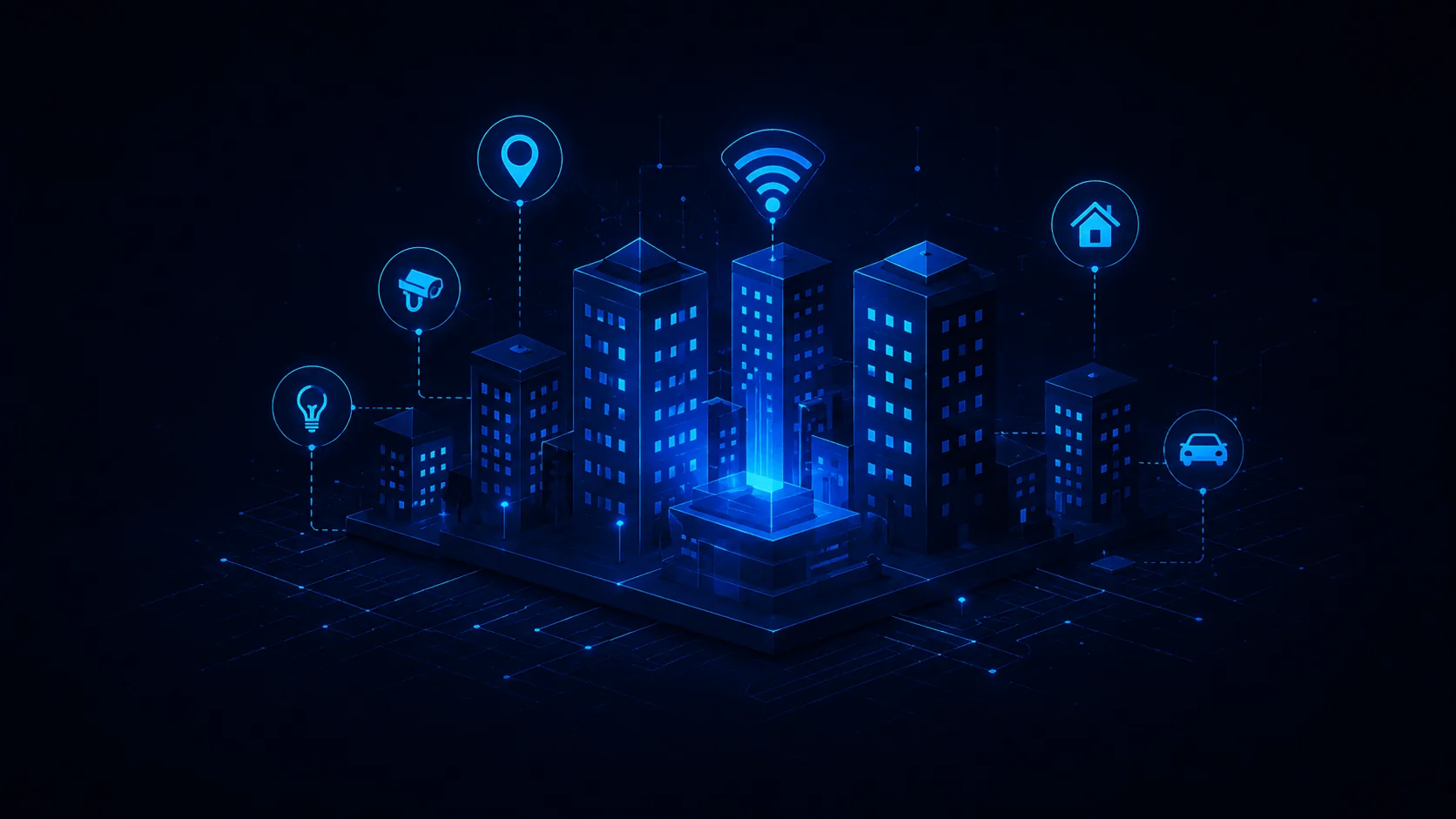
Connected hardware produces enormous volumes of data and very little insight by default. The software problem is rarely the connection — it is ingesting telemetry reliably, managing devices you cannot physically reach, and turning readings into something operations can act on.
- Reply within one business day
- NDA on request
- No obligation
What this covers
Device connectivity
Protocol integration and secure device-to-cloud communication across intermittent, low-bandwidth and unreliable network conditions.
Telemetry ingestion
High-volume event pipelines that absorb bursts without dropping readings, built on streaming infrastructure rather than request-per-reading APIs.
Fleet management
Provisioning, configuration, health monitoring and remote diagnostics for estates too large or too distant to service by hand.
Over-the-air updates
Staged firmware and configuration rollout with health checks and rollback, because a bad update to unreachable hardware is expensive.
Operational dashboards
Interfaces that show estate state at a glance and surface the specific devices needing attention, rather than presenting raw telemetry.
Edge processing
Filtering and aggregating on-device where bandwidth is constrained or a decision cannot wait for a network round trip.
From first conversation to running software
- 01
Understand the estate
What the hardware is, where it sits, how it connects, and what the field conditions actually are rather than what the spec sheet assumes.
- 02
Design the data path
What gets measured, what gets transmitted, what gets stored and for how long — decisions that determine both cost and usefulness.
- 03
Build ingestion and control
Telemetry pipelines and device management built together, since a fleet you can observe but not update is only half a system.
- 04
Operationalise
Dashboards, alerting thresholds and escalation paths defined with the people who will respond to them.
Tell us about the estate you need to see
Discuss an IoT projectPlatforms we've built
Projects from our portfolio. Each has its own write-up.
Renewable Energy
Fourth Partner Energy
Web, Android and the data-crunching backend behind a distributed solar portfolio spanning 3,000+ projects.
What we build it with
Selected for what this kind of system needs, not a default toolkit.
Ingestion

Kafka
Amazon Kinesis

Azure Event Hub
Platform

AWS

Azure
Docker
Kubernetes
Storage

PostgreSQL

MongoDB

Apache Hive
Where this work tends to land
Each of these sectors shapes the work differently — the industry page covers the specifics.
IoT & Connected Devices: common questions
01
Do you build the hardware as well?
No — we build the software side: connectivity, ingestion, device management and the interfaces on top. We work alongside your hardware team or manufacturer, and can advise on the firmware interface where it affects what the platform can do.
02
How do you handle devices with unreliable connectivity?
By assuming the connection will drop. Devices buffer locally and transmit when they can, the ingestion side is designed to accept out-of-order and delayed readings without corrupting the picture, and the interface distinguishes 'no reading' from 'reading of zero' — a distinction that matters more than it sounds.
03
How much telemetry should we actually collect?
Less than the hardware can produce, in most cases. Storage and transfer costs scale directly with volume, and the majority of high-frequency readings are never queried. Aggregating at the edge and retaining full resolution only where it is genuinely used is usually a large cost difference for no lost insight.
04
Can you integrate with an existing device fleet?
Yes. Working with hardware already in the field is common, and the approach depends on what those devices can already do — sometimes it means building around their existing protocol, sometimes an intermediary gateway that translates for them.
05
How do you update software on devices in the field?
Through staged over-the-air rollout with health checks between stages and a rollback path. Updating everything at once is how a fleet becomes unreachable, and unreachable hardware means a physical visit.
Tell us about the estate you need to see
Describe your hardware, how it connects, and what operations need to know. We'll come back with an assessment of the data path.
- Reply within one business day
- NDA on request